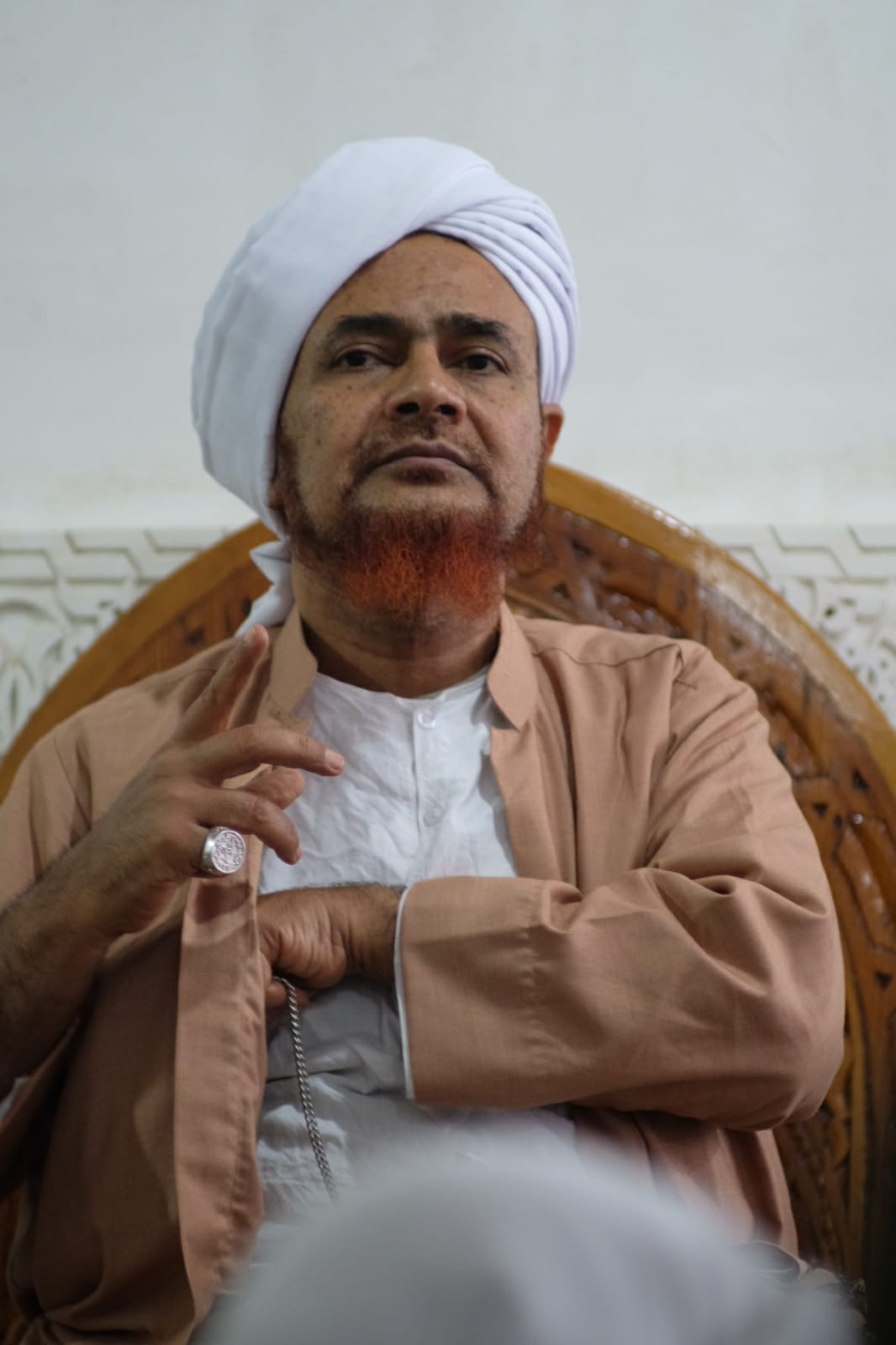

On Moonsightings and Avoiding Conflict

Answered by Sayyidi Habib Umar bin Hafiz (may Allah protect him and benefit us by him)

Regarding the entrance of Ramadan and the day of Eid, if my family does not follow the moon sighting, should I follow the moon sighting or do what my family is doing to avoid conflict?

You must submit to the correct opinion according to the Sacred Law without disrespecting your family and without argumentation or animosity. If they celebrate Eid on a different day then express your joy and give them your good wishes even though you yourself are not celebrating it on that day.
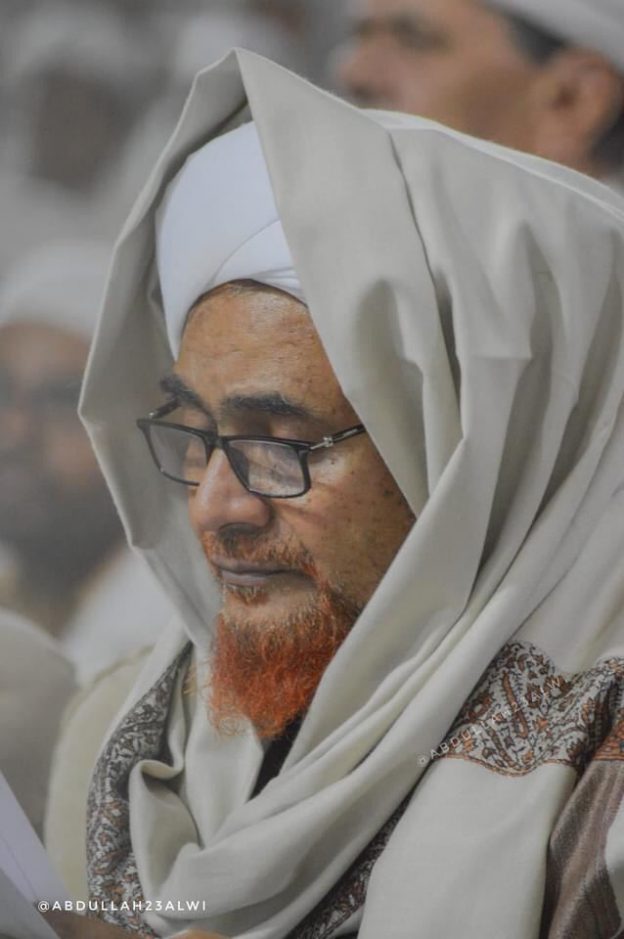

On Following Adhkar Through Live Broadcast

Answered by Sayyidi Habib Umar bin Hafiz (may Allah protect him and benefit us by him)

I follow the adhkar that are broadcast live from Dar al-Mustafa. However there is a time difference. Is it acceptable for me to read those adkhar at that time even though I am in a different time zone?

This is acceptable. There is some latitude because the time of the adhkar of the morning begins at midnight and ends at the time for zuhr prayer. The time of the adhkar of the evening begins at the time of the zuhr prayer and ends at midnight. It is also possible to change the wording of the adhkar. For example, in Dar al-Mustafa they may be saying: “I ask for the good of this night,” so you could say: “I ask for the good of this day.” Continue reading On Following Adhkar Through Live Broadcast

On the Dhikr ‘Hu’

Answered by Sayyidi Habib Umar bin Hafiz (may Allah protect him and benefit us by him)

Please explain more about the dhikr ‘Hu

Dhikr or remembrance means for the One being remembered to be present in the heart of the one remembering Him. ‘Hu’, meaning ‘Him,’ is a pronoun that refers to Allah the Creator. If your heart is present with the One being remembered while you are repeating the word ‘Hu’, then you have attained the purpose of the dhikr.

Should I Have a Wird of Reciting Surat al-Fatihah?

Answered by Sayyidi Habib Umar bin Hafiz (may Allah protect him and benefit us by him)

Surat al-Fatihah is one of the best awrad for the seeker. It is good if it can be recited 40 or 41 times a day. Doing so is a means of removing affliction and fulfilling one’s needs. Even better is reciting it 100 times a day. It can be either be read at one time standing facing the qiblah, or it can be apportioned over the five prayers as follows: 21 times after Fajr, 22 times after Zuhr, 23 times after Asr, 24 times after Maghrib, and 10 times after Isha. If you are unable to complete the appointed number at the specific time you can make it up after the next prayer. Imam al-Ghazali and many knowers of Allah mention this method. Imam al-Haddad composed a dua to be read after this recitation.[1]

[1] See Wasilat al-`Ibad


On Preventing Excessive Use of the Internet and Mobile Devices

Answered by Sayyidi Habib Umar bin Hafiz (may Allah protect him and benefit us by him)

How can we prevent excessive use of the Internet and mobile devices?

This can be done by focusing the heart on remembrance and reflection. You should remember Allah until His remembrance dominates your heart. You should reflect upon the life of the Prophet ﷺ. This engenders a longing to be in his company and a longing to meet him. You should also avoid keeping the company of those who spend a lot of time using the internet. Continue reading On Preventing Excessive Use of the Internet and Mobile Devices

On Using Images of the Dead for Humanitarian Causes

Answered by Sayyidi Habib Umar bin Hafiz (may Allah protect him and benefit us by him)

Should images of dead people be used to raise awareness of humanitarian issues?

Firstly, the dead person should not be displayed in a way that is degrading, since the sanctity of the believer is the same whether he is dead or alive. Secondly, there must be some benefit in displaying these images. Thirdly the person displaying them must have a good intention.

On Academic Studies

Answered by Sayyidi Habib Umar bin Hafiz (may Allah protect him and benefit us by him)

What should our perspective be on academic studies?

Academic studies should be seen merely as a means of attaining knowledge. We recognise that this is the system in place and that it encompasses various philosophies. There is no harm in using it as a means to attain knowledge as long as we do not contravene the Sacred Law in doing so. It is important to emphasise that academic studies do not take the place of Islamic studies. Thus anyone who enters into academic studies must also devote some time to studying the Sacred Law at the hands of those who are worthy of teaching it and possess sound chains of connection in the Islamic sciences.

On Learning How to Forgive Others

Answered by Sayyidi Habib Umar bin Hafiz (may Allah protect him and benefit us by him)

How can someone forgive and pardon people who have wronged him?

We can attain praiseworthy traits and rid ourselves of blameworthy traits with a combination of knowledge and action. We should thus remember the greatness of pardoning and forgiving people and the reward for doing so. We should reflect upon examples of the forbearance of the Prophet ﷺ and the pious, love them for the sake of Allah, and then force ourselves to forgive those who have wronged us and to treat them well.