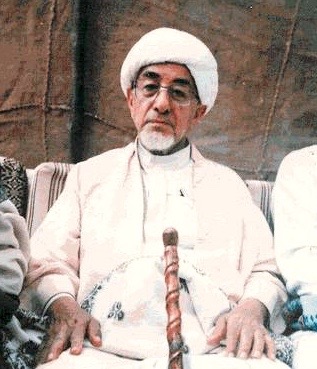
Say: ‘This is My Path’ | Wisdoms of Habib Ahmad Mashhur al-Haddad

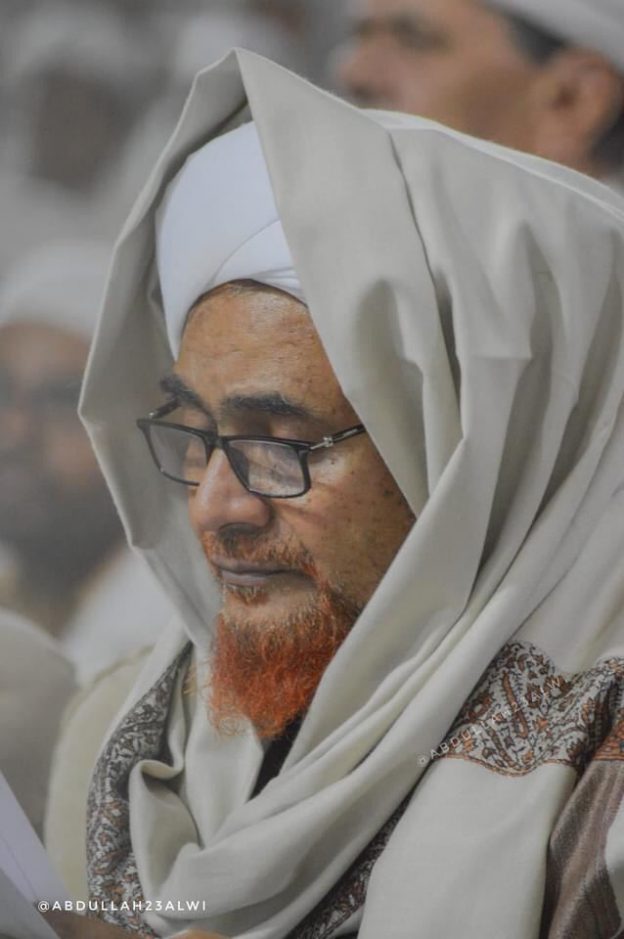
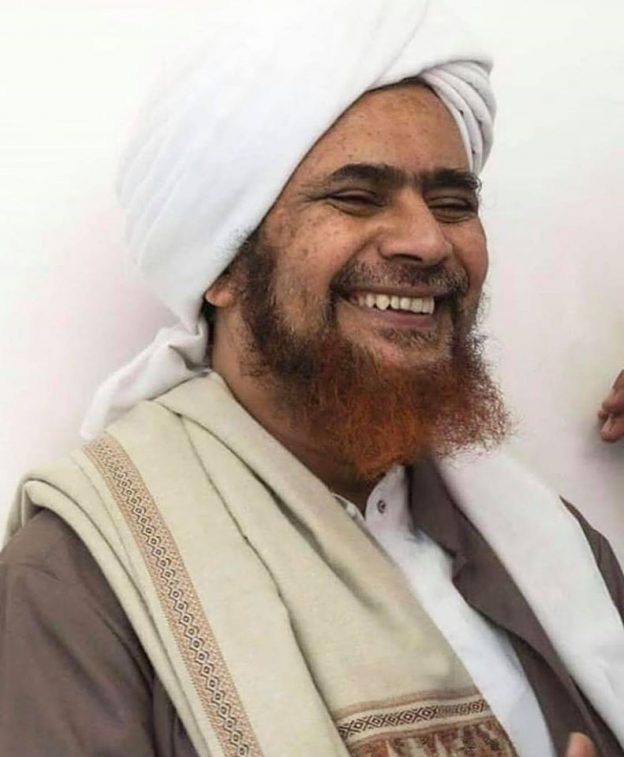
Words of wisdom from Habib Ahmad Mashhur al-Haddad (may Allah have mercy on him and benefit us by him). 

Allah says to His Prophet  : “Say: ‘This is my path..’”[1]

With this command Allah honours the Prophet and affirms his station. The command also contains the meaning of granting permission (ijazah). The ijazah is one of the foundations of the religion and is especially important in the science of hadith. Scholars traditionally give each other ijazah and shaykhs give their students ijazah. The ijazah is an affirmation of what is contained in the heart of the person receiving it and is a means for the pious to exchange secrets with one another. Continue reading Say: ‘This is My Path’ | Wisdoms of Habib Ahmad Mashhur al-Haddad
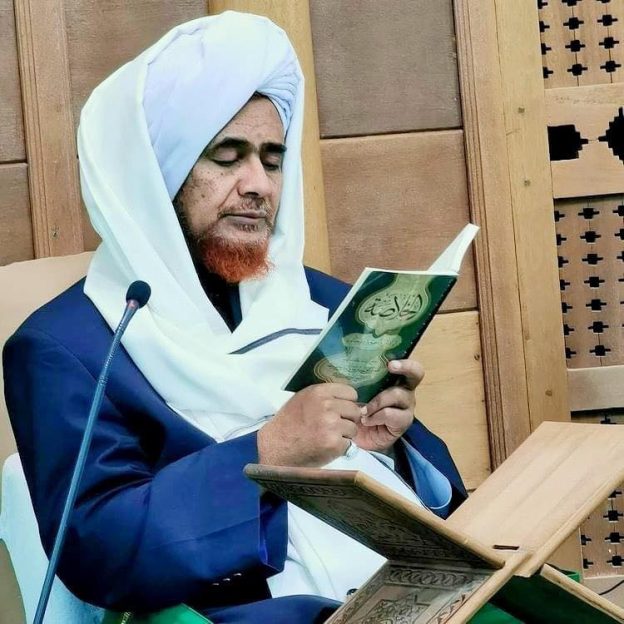
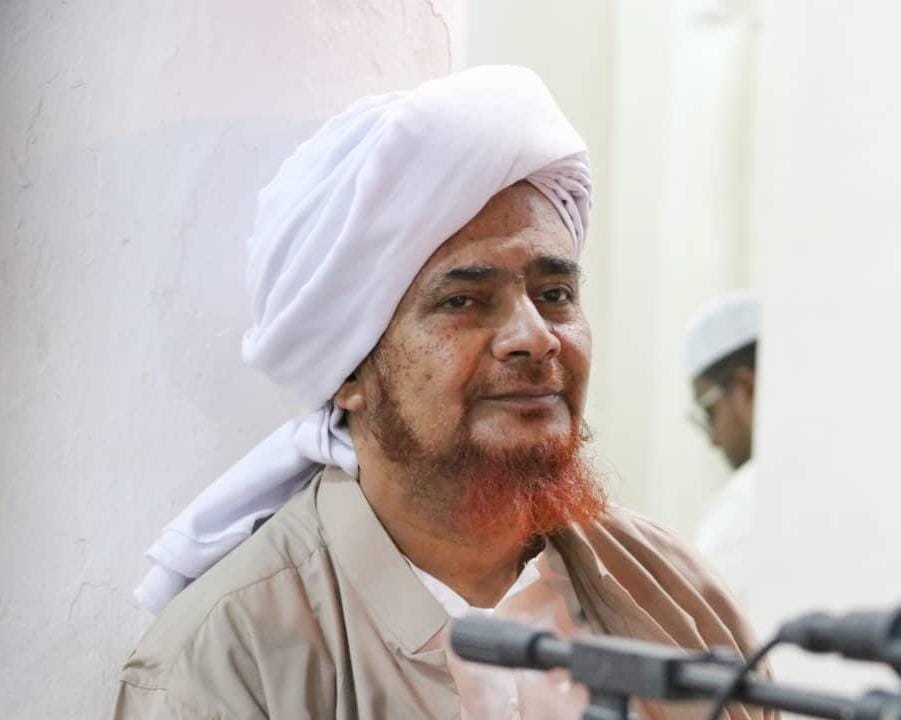
On Permission to Read the Books of Imam al-Ghazali

Answered by Sayyidi Habib Umar bin Hafiz (may Allah protect him and benefit us by him)

Do we need permission to read the books of Imam al-Ghazali?

The books of Imam al-Ghazali are extremely beneficial and are quick to rectify and illuminate the heart. It is said that the early Ba `Alawi Imams praised two things to a great extent: the books of Imam al-Ghazali and the visit of the Prophet Hud (peace be upon him). This shows that there is a general permission to read the books and there is nothing to stop the person reading it.


Principles Regarding Taking Bayah

Answered by Sayyidi Habib Umar bin Hafiz (may Allah protect him and benefit us by him)

I have taken bayah with another shaykh previously. May I still take bayah with you?

Anyone who has taken bayah with another shaykh whose tariqah is sound should remain true to that bayah as far as he is able. He should only take bayah with another shaykh with the intention of seeking blessings from that shaykh (tabarruk) as long as he has the permission of his original shaykh. Continue reading Principles Regarding Taking Bayah

Who was Habib Abd al-Qadir al-Saqqaf?

Sayyidi Habib Umar bin Hafiz (may Allah protect him and benefit us by him) was asked:

Who was Habib `Abd al-Qadir al-Saqqaf?

He replied:

He was a complete and perfect heir of the Prophet ﷺ. His father and all his forefathers were representatives (khulafa’) of the Prophet and he inherited this khilafah from them. Continue reading Who was Habib Abd al-Qadir al-Saqqaf?

On Taking Permission Before Reciting a New Dhikr

Answered by Sayyidi Habib Umar bin Hafiz (may Allah protect him and benefit us by him)

If we come across a new dhikr or dua should we take permission before reciting it?

If it is from the Sunnah there is no need to take permission. Likewise there is no need to take permission before reciting the duas and adhkar of the great Imams of the Ummah as long as the meaning is clear and they are easy to read. Continue reading On Taking Permission Before Reciting a New Dhikr

On the Role of the Shaykh in Purification of the Heart

Answered by Sayyidi Habib Umar bin Hafiz (may Allah protect him and benefit us by him)

What is the role of the Shaykh in purification of the heart?

The Shaykh is the most important means of removing the seeker’s blameworthy traits. The Shaykh is not someone who makes false claims or performs miracles but rather someone who is upright in his religion and has a sanad (chain of connection) in purification of the heart. If the seeker is truthful, Allah will cause him to meet a shaykh who will purify him.

On Consulting More Than One Shaykh

Answered by Sayyidi Habib Umar bin Hafiz (may Allah protect him and benefit us by him).

Is it considered bad etiquette to consult more than one shaykh on the same matter and then to follow that which one feels most comfortable with?

Firstly, if it is an issue of suluk (spiritual wayfaring) you must only consult one shaykh. You may not consult another shaykh on the issue and you certainly may not make your own judgement.

Continue reading On Consulting More Than One Shaykh