Seek Forgiveness and Confound the Devil!

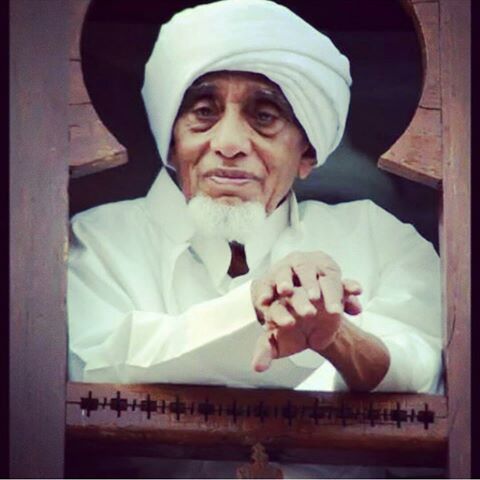
Habib Muhammad al-Haddar reminds us of the greatness of seeking forgiveness and how this confounds the Devil.

The Prophet ﷺ said: “The one who keeps seeking forgiveness is not regarded as a persistent sinner even if he were to return to the same sin seventy times a day.”[1]

All praise belongs to Allah for the blessing of seeking forgiveness (istighfar). Even if you were to keep committing a sin seventy times but you sought forgiveness, your Lord is All-Forgiving. The main thing is you seek forgiveness with your tongue and your heart. If the Devil tries to outdo you by sending you astray, outdo him by seeking forgiveness more. Continue reading Seek Forgiveness and Confound the Devil!
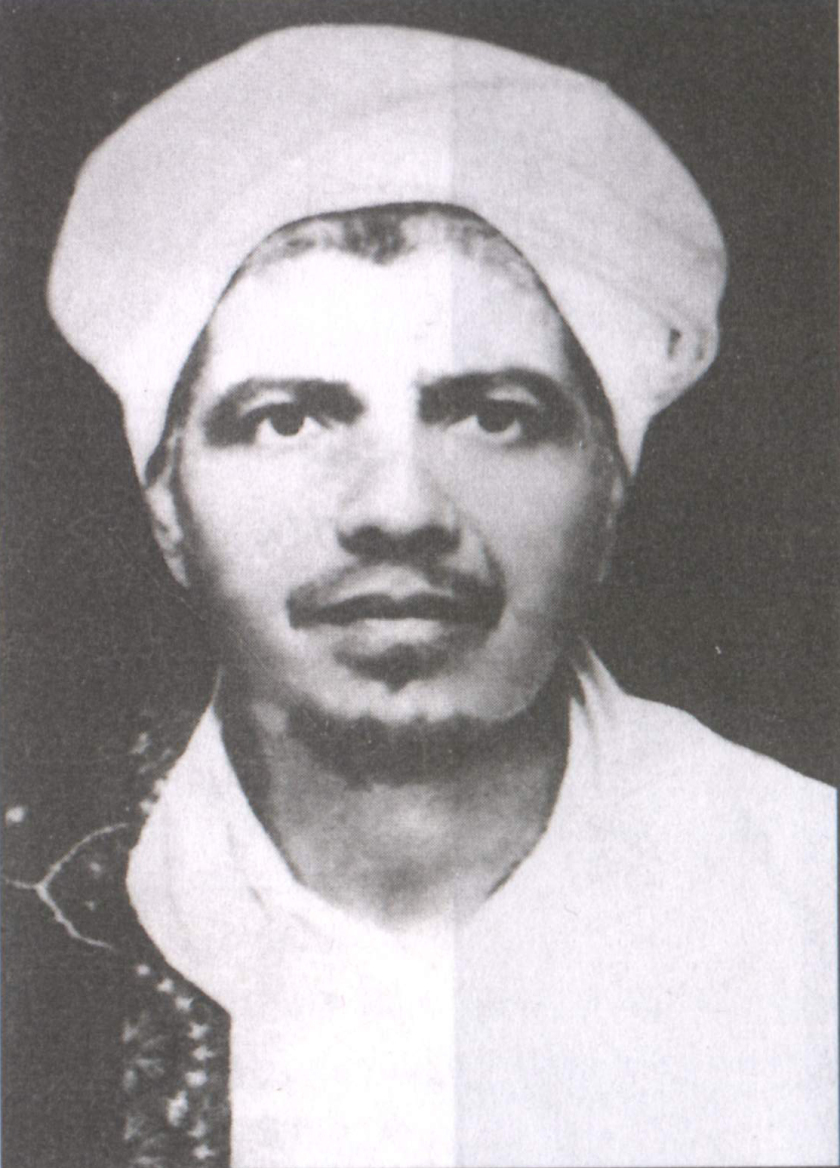
Habib Ahmad, as described by Shaykh Abdal Hakim Murad

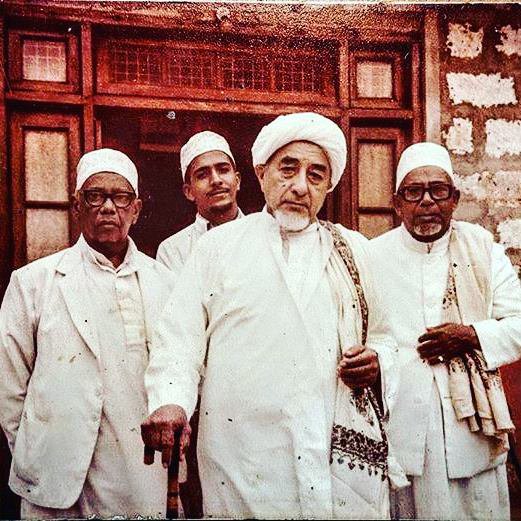
Shaykh Abdal Hakim Murad describes Habib Ahmad Mashhur al-Haddad:

Habib Ahmad Mashhur al-Haddad was widely acknowledged as among the leading scholars and spiritual masters of the twentieth century. He was born in a town in Hadramawt, in southern Arabia. At an early age he committed the Quran to memory and spent most of his time in the relentless pursuit of the various branches of religious knowledge. He dedicated his life to teaching and spreading the word of Islam. He died in Jeddah, Saudi Arabia in 1995. Continue reading Habib Ahmad, as described by Shaykh Abdal Hakim Murad

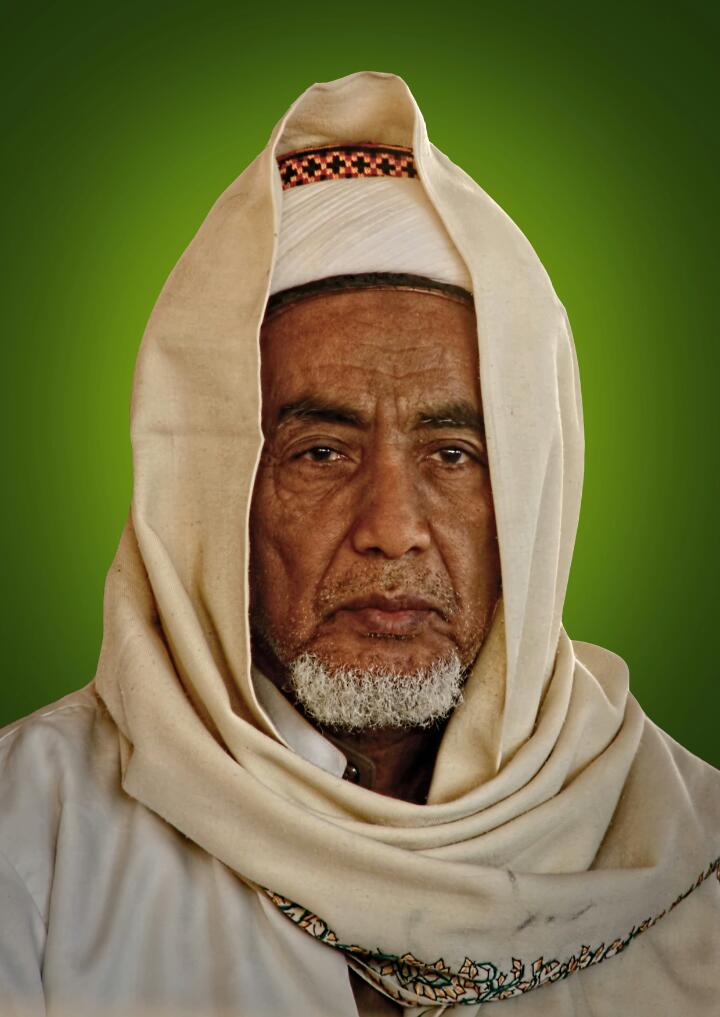
The Legacy of Habib Muhammad bin Hafiz

Habib Umar bin Hafiz (may Allah protect him and benefit us by him) reflects on the legacy of his father, Habib Muhammad.

On a Friday, on the 29th of Dhu’l-Hijjah in 1392 (1973) I went out with my father to the Friday prayer. I came back from the prayer with only his scarf. He had disappeared.

But in reality who disappeared? Those who abducted him or him?

Do you not see him? Do you not see what he left behind? Do you not see his dawah?

His blessed body disappeared and he attained the honour of martyrdom in the path of his Lord.

But what remains is his legacy, his memory, his dawah, his concern, his words, what he built and what he gave.

He is a member of this ummah whose blood is connected to the blood spilt by Hamzah, the Lion of Allah and His Messenger. Hamzah did not disappear. Hamzah reached the pinnacle of honour and nobility. He is the ‘Master of all the Martyrs’ in Allah’s sight (may Allah be pleased with him). After him came the martyrdom of al-Husayn which we remember in Muharram.

The Scholar Who Worked as a Waiter

One of our teachers was Habib Muhammad bin Alawi al-Attas, a scholar and a true worshipper. He was known as ‘al-Zabidi’ because he spent some years studying with the scholars of Zabid (once a great centre of knowledge in Yemen). During his time there he chose to work as a waiter in a restaurant, not because he needed the money, but in order to refine his lower self (nafs): running round taking people’s orders, bring this, do this..

We visited him in his home in Huraydah at the end of his life with a group of scholars: among them Habib Mashhur bin Hafiz, Habib Umar bin Alawi al-Kaf, Habib Abdullah bin Muhammad bin Shihab and Habib Salim al-Shatiri. 

He said: “Last night someone saw the Prophet ﷺ in this very room.”

May Allah have mercy upon him – a scholar who knew the importance of refining the nafs.

Habib Umar bin Hafiz (may Allah protect him and benefit us by him) during his commentary on Ihya Ulum al-Din, Dar al-Mustafa, 28th Dhu’l-Qa’dah 1440.

Times with Habib Muhammad al-Haddar: Reminiscing

In an emotional talk, Habib Umar bin Hafiz reminisced about time spent with his shaykh and mentor, Habib Muhammad al-Haddar. He recalled as a young child seeing him in the company of his father, the shahid Habib Muhammad bin Salim bin Hafiz.

Habib Umar then described meeting Habib Muhammad al-Haddar in his Ribat in al-Bayda. Still a teenager, Habib Umar had left the oppression of South Yemen and was planning to seek knowledge in the Hijaz. Habib Umar was yearning to visit the Prophet ﷺ and spend time in those blessed places, but Habib Muhammad assured him that the spirit of the Prophet was with him in al-Bayda. Continue reading Times with Habib Muhammad al-Haddar: Reminiscing

Shaykh ‘Abd al-Rahman Ba ‘Abbad

Shaykh ‘Abd al-Rahman bin Abdullah Ba ‘Abbad hailed from a tribe which has long been known for knowledge and piety in Hadramawt. The Ba ‘Abbad tribe traces its lineage to Sayyiduna `Uthman bin `Affan (may Allah be pleased with him).

His first teacher was his father, Shaykh Abdullah, who later directed him to Habib Umar bin Hafiz to complete his spiritual instruction. His in depth legal training came at the hands of Habib Abd al-Qadir bin Salim Rawsh al-Saqqaf, Mufti of Hadramawat. He also took knowledge from Habib ‘Abd al-Qadir bin Ahmad al-Saqqaf and the other great scholars of his time. Continue reading Shaykh ‘Abd al-Rahman Ba ‘Abbad

Method of Seeing the Prophet ﷺ – Habib Ahmad Mashhur al-Haddad

Sayyid Abdullah bin Muhammad bin Ahmad Mashhur al-Haddad narrates that his grandfather, Habib Ahmad Mashhur al-Haddad (may Allah have mercy upon him and benefit us by him), gave permission for the following to be recited in order to see the Prophet ﷺ. Continue reading Method of Seeing the Prophet ﷺ – Habib Ahmad Mashhur al-Haddad

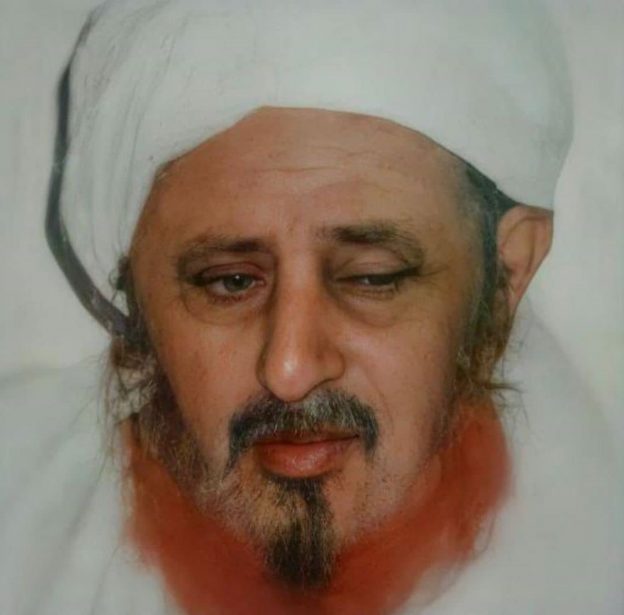
Habib Aydarus bin Sumayt

Habib Aydarus bin Abdullah bin Sumayt was born in Tarim, Hadramawt in 1355 (1936) and for many years was the imam of Masjid al-Mihdar, one of the city’s main and most historic mosques. He was a spiritual guide and healer and was much loved by the people of the city. There was hardly a person in Tarim nor a visitor to the city who did not go to his house next to Masjid al-Mihdar in order for him to read over them or see to their needs. He had immense humility and would never turn anyone away. Continue reading Habib Aydarus bin Sumayt