
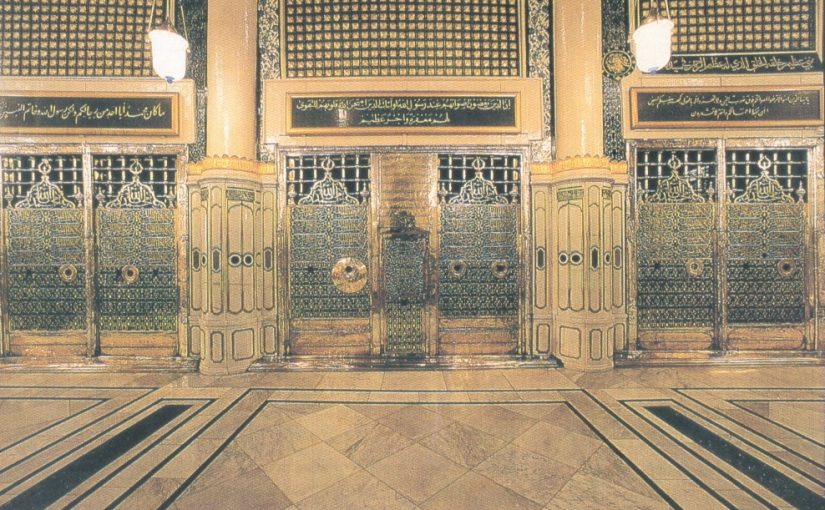
This is how Imam al-Haddad addresses a plea to the Prophet ﷺ . Verses from his great poem, al-Ra’iyyah al-Kubra:
Category: Biographies
The Two Types of Wellbeing
Imam al-Haddad (may Allah benefit us by him) teaches us that there are two types of wellbeing (‘afiyah):
Physical ‘afiyah is for the body to be safe from falling into sin and not to be affected by illness.
Spiritual ‘afiyah is for the heart to be free from doubt and delusion and from concealing hatred for any Muslim.
The one who is blessed with both types of ‘afiyah will be consistent in seeking Allah and obeying Him. This is a manifestation of Allah’s bounty and He gives it to whomever He wishes.
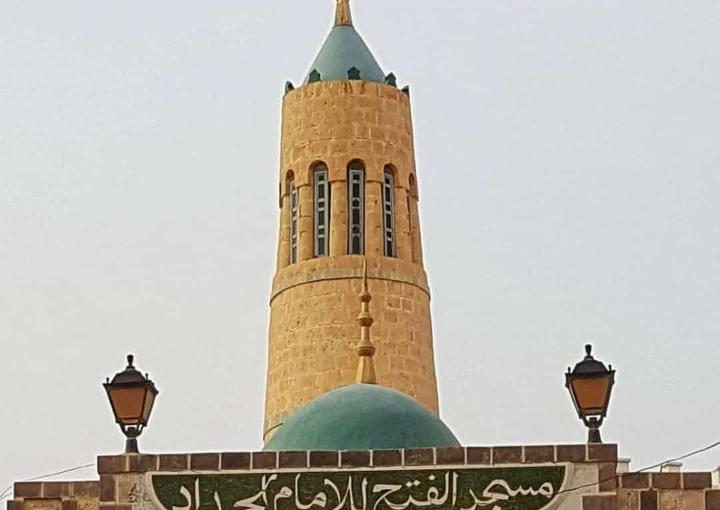
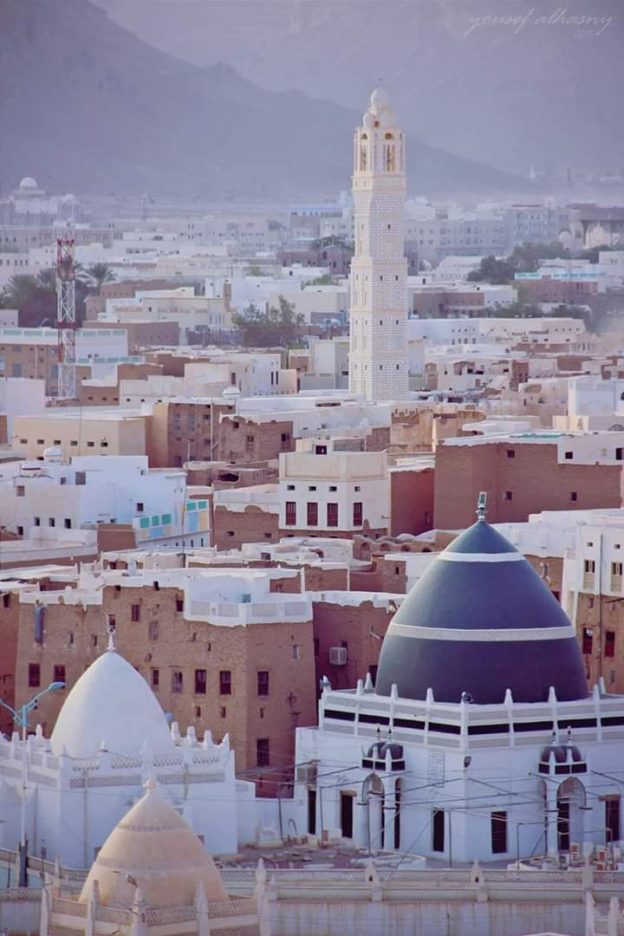
Image: the minaret of Masjid al-Fath, the mosque which Imam al-Haddad built at Hawi, near Tarim.
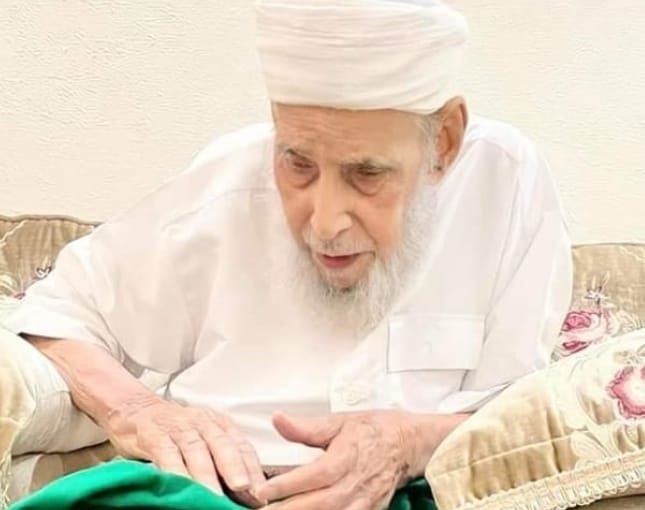
Habib Muhammad bin Husayn ‘Jibril’ al-Attas
Habib Muhammad was born in the village of Budah in the Dawan Valley south of Hadramawt in 1349 (1931). His father, Habib Husayn was a saintly man who was nicknamed ‘Jibril’ due to the sheer number of times he would see the Prophet ﷺ in his dreams. Continue reading Habib Muhammad bin Husayn ‘Jibril’ al-Attas

Habib Hasan bin Ahmad al-Aydarus
Habib Hasan bin Ahmad al-Aydarus taught for years in Tarim’s famous Ribat. He particularly loved to teach children the basics, hoping for the reward of teaching them the acts of worship they would perform for the rest of their lives. Continue reading Habib Hasan bin Ahmad al-Aydarus
The Good of this World and the Good of the Hereafter
We are all familiar with the well-known Quranic supplication: “Our Lord! Grant us the good of this world and the good of the Hereafter, and protect us from the torment of the Fire” (2:201). But what is meant by the good of this world and the next? Imam al-Haddad (may Allah benefit us by him) gives three meanings for each.
The good of this world has three meanings: Continue reading The Good of this World and the Good of the Hereafter
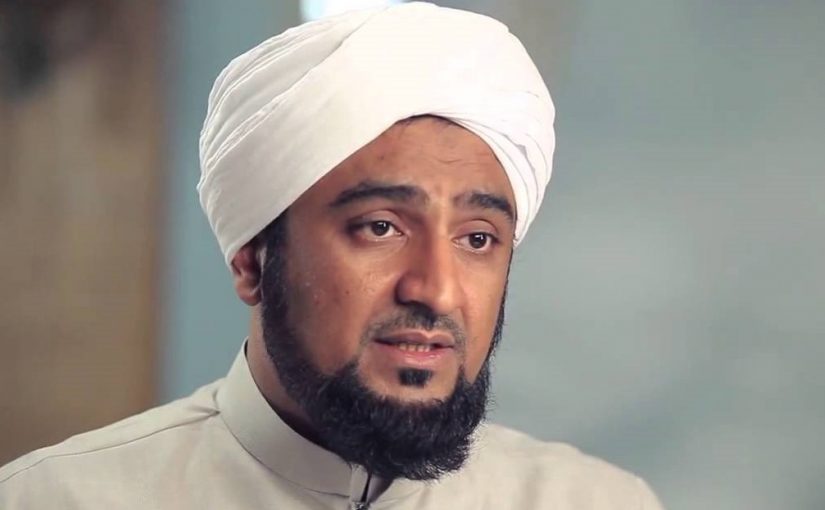
Habib Muhammad Abd al-Rahman al-Saqqaf
Habib Muhammad Abd al-Rahman al-Saqqaf was born in Seiyun, the principal city of Hadramawt in 1972 (1392). He is a direct descendant of many imams of the Prophetic house, including Imam Taha bin Umar al-Safi (died 1007), the first of the Alawi Sayyids to settle in Seiyun, and Shaykh Abd al-Rahman al-Saqqaf (died 819). The al-Saqqaf tribe is known in Seiyun for having produced great scholars and men of God in every generation, the most recent being Habib Abd al-Qadir al-Saqqaf.
Hadramawt was in the grip of an oppressive socialist government so his parents moved to Jeddah when he was three years old. His father Sayyid Abd al-Rahman was a doctor who would frequent the circles of knowledge in the Hijaz. As a result, Habib Muhammad grew up with a love for scholars. Continue reading Habib Muhammad Abd al-Rahman al-Saqqaf
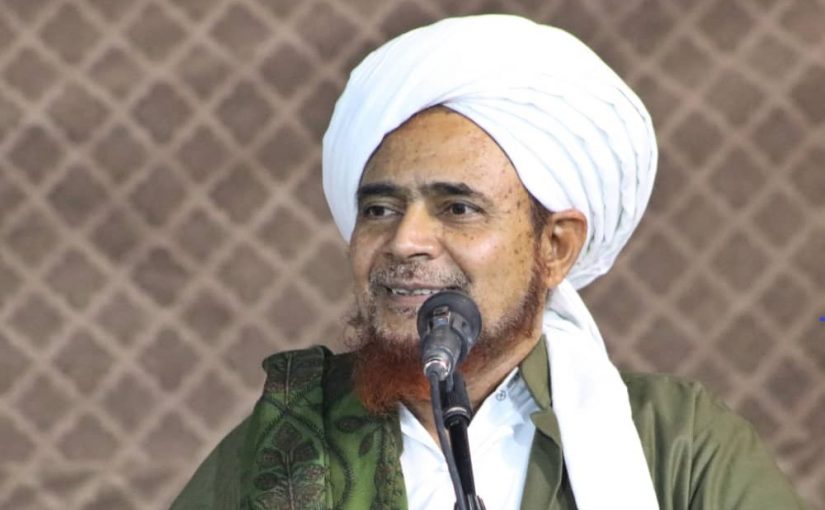
Which Ratib Should I Recite?
Answered by Sayyidi Habib Umar bin Hafiz (may Allah protect him and benefit us by him)
Should I recite the Ratib of Imam al-Haddad or the Ratib of Imam al-Attas?
If you cannot recite both, there is no problem to alternate between the two Ratibs – one takes the place of the other.
Roll up the distance between me and Your Beloved!
In these supplications, Habib Ali al-Habashi (may Allah have mercy upon him and benefit us by him) teaches us to seek high degrees of love and closeness to Allah and His Beloved ﷺ :
اللَّهُمَّ اطْوِ مَسَافَةَ البُعْدِ بَيْنِي وبَيْنَ حَبِيبِكَ المًصْطَفى
Continue reading Roll up the distance between me and Your Beloved!
Selected Salawat: Attaching Everything to the Prophet ﷺ
In this prayer upon the Prophet ﷺ Habib Ali al-Habashi (may Allah have mercy upon him and benefit us by him) teaches us to attach everything we have to the Prophet: our hearts, bodies, actions, intentions and our every movement and stillness.
اللَّهُمَّ صَلِّ وسَلِّمْ على سَيِّدِنا مُحَمَّدٍ
وارْبُطْ قَلْبِي بِقَلْبِهِ
وارْبُطْ جِسْمِي بِجِسْمِهِ
Continue reading Selected Salawat: Attaching Everything to the Prophet ﷺ
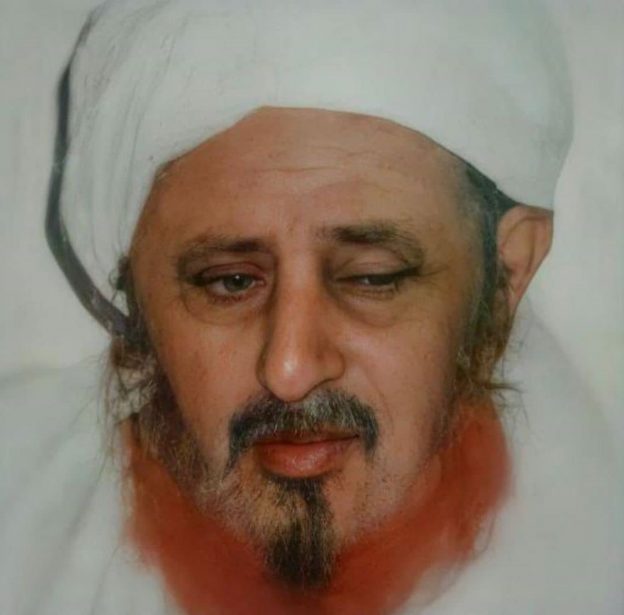
Seek Forgiveness and Confound the Devil!
Habib Muhammad al-Haddar reminds us of the greatness of seeking forgiveness and how this confounds the Devil.
The Prophet ﷺ said: “The one who keeps seeking forgiveness is not regarded as a persistent sinner even if he were to return to the same sin seventy times a day.”[1]
All praise belongs to Allah for the blessing of seeking forgiveness (istighfar). Even if you were to keep committing a sin seventy times but you sought forgiveness, your Lord is All-Forgiving. The main thing is you seek forgiveness with your tongue and your heart. If the Devil tries to outdo you by sending you astray, outdo him by seeking forgiveness more. Continue reading Seek Forgiveness and Confound the Devil!