Benefiting from the Pious

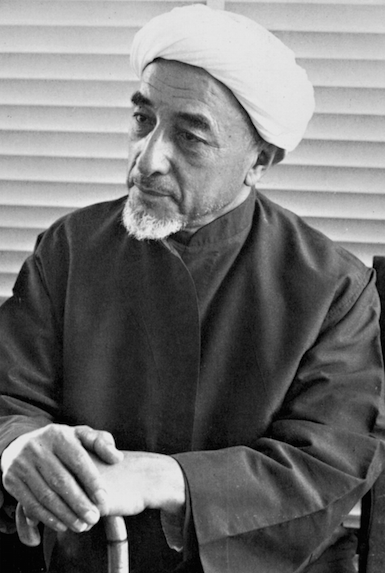
Advice from Imam al-Haddad (may Allah have mercy upon him and benefit us by him).

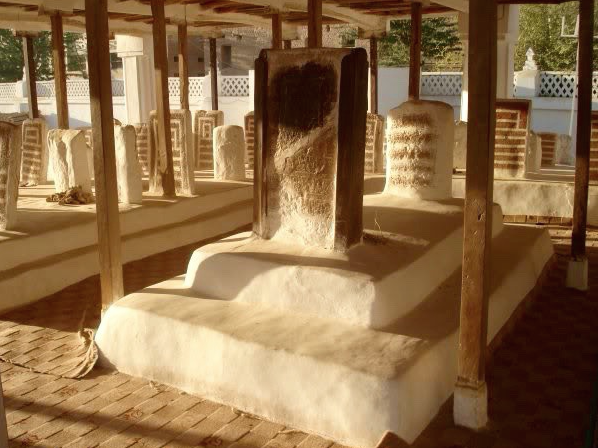
You must keep the company of pious people, display the same etiquettes that they display and seek to benefit from their deeds and words. You do this by visiting both the living and dead amongst them in a state of great reverence for them, truthfully having the best opinion of them. This is how visitors benefit from those that they are visiting and receive spiritual assistance from them. Continue reading Benefiting from the Pious
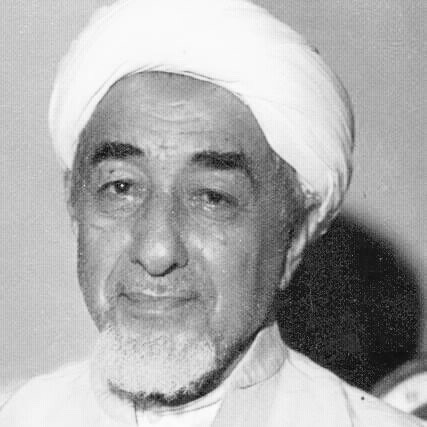
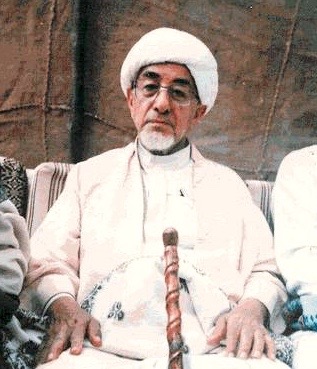
Fatihah of Habib Ahmad Mashhur al-Haddad


This is a recording of Habib Ahmad Mashhur al-Haddad reciting Surat al-Fatihah and the tashahhud. It was recorded in the Comoros Islands in 1974.

It can also be found on Youtube https://www.youtube.com/watch?v=w6LvXdkbEsI&t=2s

Habib Ahmad received Surat al-Fatihah from the great Imam, Habib Ahmad bin Hasan al-`Attas, who himself received it directly from the Prophetﷺ.
 May Allah benefit us by this recital.

Say: ‘This is My Path’ | Wisdoms of Habib Ahmad Mashhur al-Haddad

Words of wisdom from Habib Ahmad Mashhur al-Haddad (may Allah have mercy on him and benefit us by him). 

Allah says to His Prophet  : “Say: ‘This is my path..’”[1]

With this command Allah honours the Prophet and affirms his station. The command also contains the meaning of granting permission (ijazah). The ijazah is one of the foundations of the religion and is especially important in the science of hadith. Scholars traditionally give each other ijazah and shaykhs give their students ijazah. The ijazah is an affirmation of what is contained in the heart of the person receiving it and is a means for the pious to exchange secrets with one another. Continue reading Say: ‘This is My Path’ | Wisdoms of Habib Ahmad Mashhur al-Haddad

Etiquette is Ihsan | Wisdoms of Habib Ahmad Mashhur al-Haddad

Words of wisdom from Habib Ahmad Mashhur al-Haddad (may Allah have mercy on him and benefit us by him). 

Etiquettes (adab) are what beautify one’s actions. One’s actions are not complete without etiquette. Etiquette is ihsan and ihsan is one of the three foundations of the religion mentioned in the hadith of Jibril. Ihsan is to perform one’s actions with etiquette and this is a means for those actions to be accepted. Continue reading Etiquette is Ihsan | Wisdoms of Habib Ahmad Mashhur al-Haddad

Know Your Enemy

After telling us the story of Adam, Hawa and Iblis, Allah calls upon us to learn a lesson from the story. He says:

O Children of Adam, do not allow the Devil to seduce you.[1]

We should thus be wary of the Devil and take measures to protect ourselves from him. When thoughts enter our minds, we should ask whether they are of satanic origin or angelic origin. When you remember Allah, promptings of angelic origin are strengthened, whereas promptings of satanic origin are weakened. Continue reading Know Your Enemy

Fasting on 27th Rajab

Answered by Sayyidi Habib Umar bin Hafiz (may Allah protect him and benefit us by him)

Is it recommended to fast on the day after the night of the Isra and Mi’raj (27th Rajab)?

Generally speaking fasting in the sacred months is better than fasting in the other months. There is a sound hadith in which Ibn Umar was asked whether the Prophet ﷺ used to fast in Rajab. He said: “Yes, and he would ennoble it (meaning the month of Rajab).” Some of the pious recommend fasting on the day of the Isra and Mi’raj but it is not something that has been directly narrated on the authority of the Prophet ﷺ . Above all, we should seek a true connection with the Prophet, the one who was taken on the Isra and Mi`raj.

On Giving Advice to Shia Friends and Relatives

Answered by Sayyidi Habib Umar bin Hafiz (may Allah protect him and benefit us by him)

How do we give advice to relatives or friends who follow the Shia branch of Islam?

If you see that they are ready to listen you should try to explain to them in the most appropriate way that the Qur’an praises the Companions, the Prophet ﷺ praised them and so too did Sayyiduna Ali and his children and grandchildren. The example we should follow is the example of the Prophet and the elect of the Prophetic Household (Ahl al-Bayt). Continue reading On Giving Advice to Shia Friends and Relatives

Can Driving be a Form of Khalwah?

Answered by Sayyidi Habib Umar bin Hafiz (may Allah protect him and benefit us by him)

Can someone who is driving alone to work be considered to be in a form of khalwah (spiritual seclusion)?

Yes, this could be a lesser khalwah when one isolates oneself to be with Allah. It is like when someone wraps a shawl around their head so they can only see what is in front of them and not what is around them.