On the Statement of Imam al-Haddad: “We will not leave them, even if they leave us.”

Answered by Sayyidi Habib Umar bin Hafiz (may Allah protect him and benefit us by him)

Please explain the statement of Imam al-Haddad: “We will not leave them, even if they leave us.”

The Shuyukh honour their covenants with those who are attached to them even if those people do not treat them well. As far as they are able, they continue to give good advice to them, pray for them and intercede on their behalf with Allah.
 

Dowra Gathering

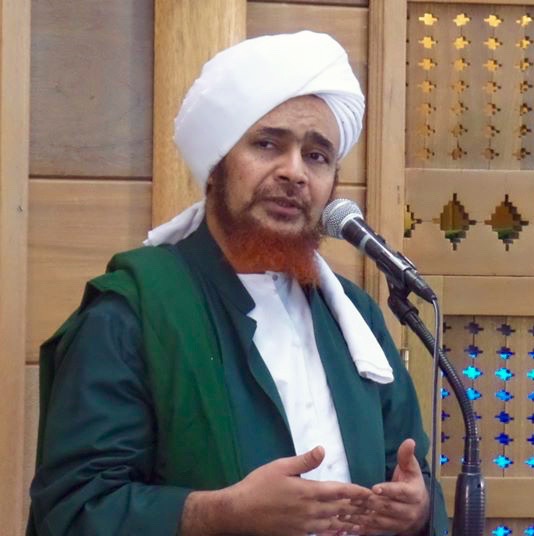
Sayyidi Habib Umar bin Hafiz (may Allah protect him and benefit us by him) met with a number of students who have been attending this year’s Dowra from South Africa, Indonesia, Malaysia and Thailand.

The students spoke of the sacrifices they had made coming to Tarim and what they had learnt in the Dowra. A student from Thailand said that all he possessed was three cows but he had sold them in order to buy a plane ticket to Yemen. A student from South Africa talked about the difficulties he had experienced on the journey to Tarim. He said that every hardship had been a means of purification and that in one of the first lessons he attended, Habib Umar explained the meaning of Allah’s saying in Surat al-Balad: We have created mankind in hardship. Continue reading Dowra Gathering

Weights and Measures

Insights from Sayyidi Habib Umar bin Hafiz (may Allah protect him and benefit us by him)

Any action which is heavy and hard upon the lower self (nafs) will be weighty when your good deeds are weighed on the Scales on the Day of Judgement. Any action which is easy for the lower self will be light upon the Scales.

When someone’s soul becomes tranquil (al-nafs al-mutma’innah), however, they no longer find any hardship or difficulty in acts of obedience. Continue reading Weights and Measures

Appreciating Barakah

Sayyidi Habib Umar bin Hafiz (may Allah protect him and benefit us by him) discusses the concept of barakah. 

The Messenger of Allah instructed people to lick their fingers after eating and to clean the dish, saying: “You do not know in what part of the food the barakah lies.”

He also said: “When a morsel of your food falls down, you should pick it up and remove any dirt and then eat it. Do not leave it for the Devil, for you do not know in what part of the food the barakah lies.” Continue reading Appreciating Barakah

The Best Dua to be Recited at the End of a Gathering

Answered by Sayyidi Habib Umar bin Hafiz (may Allah protect him and benefit us by him)

What is the best dua to recite at the end of a gathering?

The best dua is the dua which the Prophet ﷺ taught us:

سُبْحَانَكَ اللَّهُمَّ وَبِحَمْدِكَ أَشْهَدُ أَنْ لاَ إِلَهَ إِلَّا أَنْتَ أَسْتَغْفِرُكَ وَأَتُوبُ إِلَيْكَ

Subhanakallahumma wa bi hamdika ashadu alla ilaha illa anta astaghfiruka wa atubu ilayk Continue reading The Best Dua to be Recited at the End of a Gathering

Keeping the Company of the Poor

Advice from Habib Ali al-Habashi (may Allah have mercy upon him and benefit us by him).

You must show good character to all people. Through good character you may attain the stations of the people of immense truthfulness (al-siddiqun) and ascend to the highest levels of certainty. Be the most gentle and forbearing of people. Pardon those who wrong you and give to those who refuse to give you anything. If someone treats you badly, treat them well and forgive their wrongdoings however great they are. Continue reading Keeping the Company of the Poor